
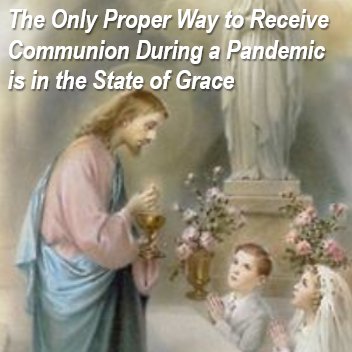
Always Receive in State of Grace
Saint Benedict’s Parish
521 McCosh Drive
Chesapeake, Virginia 23320
757.543.0561 (Office)
757.543.3510 (Fax)
frdam
Chesapeake, Virginia 23320
757.543.0561 (Office)
757.543.3510 (Fax)
frdam
St. Benedict's Parish in Chesapeake, Virginia, is home of the Extraordinary Form of the Roman Rite (Latin) Mass in Hampton Roads, offering Daily Confession, Daily Mass and sacraments according to the Liturgical Books of 1962. Established under the auspices of the Diocese of Richmond, St. Benedict's Parish is staffed by the Priestly Fraternity of St. Peter (FSSP).
Weekly Activities
Choir Practice - Thursdays 7PM - 9PM
St. Anne’s Sodality - Meets on 1st Tuesday at 6PM. All ladies 18 years and older are welcome.
St. Anne’s Sewing Guild - Meets the 2nd Saturday of the month from 10AM - 3PM
St. Joseph’s Mens Guild - Meets on 1st Tuesday at 7PM. All gentlemen over 18 are welcome
St. Michael’s Youth Group - Meets Wednesday evenings 6PM - 8PM
Little Flowers - Meets 1st and 3rd Saturdays, 10AM - 11:30AM. Girls ages 4 to 12 are welcome
Knights of the Altar - Altar boy practice is on the 1st Saturday of the month from 10AM - 12PM
Legion of Mary - Meets Tuesdays at 7PM
St. Anne’s Sodality - Meets on 1st Tuesday at 6PM. All ladies 18 years and older are welcome.
St. Anne’s Sewing Guild - Meets the 2nd Saturday of the month from 10AM - 3PM
St. Joseph’s Mens Guild - Meets on 1st Tuesday at 7PM. All gentlemen over 18 are welcome
St. Michael’s Youth Group - Meets Wednesday evenings 6PM - 8PM
Little Flowers - Meets 1st and 3rd Saturdays, 10AM - 11:30AM. Girls ages 4 to 12 are welcome
Knights of the Altar - Altar boy practice is on the 1st Saturday of the month from 10AM - 12PM
Legion of Mary - Meets Tuesdays at 7PM
All Masses and Sacraments are offered in the Extraordinary Form of the Roman Rite.
Catholics Welcome Home!
Celebrating 25 Years at St. Benedict's
Office Hours
Mon, Wed, Thurs- 9 am- 1:30 pm
Tues 9 am- 12:30 pm
Fri: Office Closed
The Diocese will be lifting the dispensation of the Sunday and Holy Days Mass obligation and reinstating that obligation beginning on Saturday, June 26, 2021 and Sunday, June 27, 2021.
Mass Time Changes

St. Benedict’s Parish


521 McCosh Drive, Chesapeake, Virginia 23320 | 757.543.0561 (Office) | 757.543.3510 (Fax) | frdam